




Genetic Traits You Can Blame Your Parents For
Strange sneezes? Missed free throws? Feel free to grumble away at your folks if they’ve passed on these hereditary hand-me-downs.


Strange sneezes? Missed free throws? Feel free to grumble away at your folks if they’ve passed on these hereditary hand-me-downs.

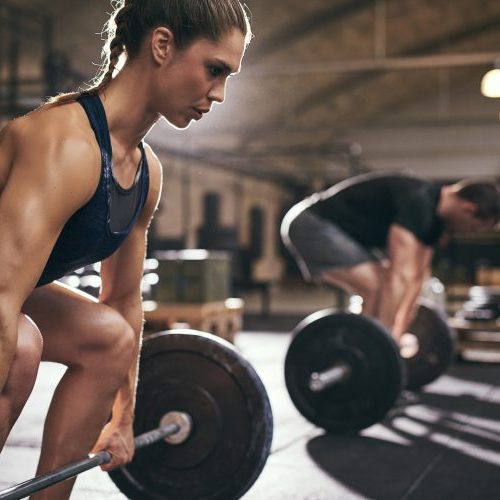
Exercise and fitness top the list of hotly debated topics when it comes to preconception (aka fertility) and pregnancy. Everyone has an opinion. And while I too love to listen to what my “google educated” mother has to say, I am here to assure you that your daily gym routine is unlikely to be the one to blame for your fertility struggles.

In 2009, a study by the Norwegian University of Science and Technology found that intense physical exercise can negatively impact female fertility. Men too can be at the receiving end of unfavorable effects from rigorous training and anabolic steroids: effects on semen and hormonal parameters are all too possible. If you’re especially keen on athletics and also trying to get pregnant, it might be wise to review your workout schedule and diet.

November 11, 2017 – Dr. Sheeva Talebian, director of third party reproduction at CCRM New York, discusses the top five myths about increasing your odds of getting pregnant aren’t true in a recent Romper article.


November 9, 2017 – CCRM San Francisco fertility specialist Dr. Salli Tazuke discusses some facts about miscarriage you may not know, but should.


You probably have a pretty good understanding of how pregnancy works, right? You ovulate and release an egg. A sperm meets that egg, shuts down ovulation, and, if everything goes well, you welcome a baby in nine months. Pregnant people don’t even think about birth control because, of course, pregnancy is birth control. But one woman’s story is a reminder that there are incredibly rare cases in which you can become pregnant when you’re already pregnant—and she had to go through a heart-wrenching struggle to figure that out.